PHYSICAL THERAPY for CHRONIC PAIN in Shelburne, VT
Train your nervous system to stop generating pain.
You’ve Tried Everything, But You’re Still In Pain
Pain has taken over your life, and the more tests, conflicting opinions, and failed treatments you try, the louder the pain gets.
You’ve explained your symptoms to a carousel of doctors, you’ve gotten X-rays and MRIs, and you’ve been bounced from specialist to specialist, but no one can explain why you still hurt.
It’s not just the pain, it’s the fatigue, sleepless nights, brain fog, and dis-ease that have taken over your life, stolen your personality, and disconnected you from the people and activities that bring you joy.
You’ve tried traditional physical therapy, chiropractic adjustments, deep tissue massage, injections, prescriptions, and home remedies and it’s either made your symptoms worse, or provided only temporary relief.
You’re doing all the right things, but you are still stuck in a cycle of pain, fatigue, and flares, and it has nothing to do with your motivation, mindset, or willpower.
The people who are supposed to be helping you are getting frustrated, and they start implying that you are exaggerating, overreacting, or aren’t trying hard enough. They don’t see how hard you are working just to function.
Instead of taking your pain seriously, the doctor refers you to a psychologist, implies that your pain is “all in your head,” or suggests you just need to lose weight.
Spoiler alert: Your pain is NOT in your head OR your body. Your pain is 100% real, and there is a solution, but you won’t find it in any orthopedic office.
You didn’t fail physical therapy. Physical therapy failed you.
Perhaps you’ve been told your pelvis is “out of alignment” or your core is weak, so you did the stability exercises, the Postural Restoration, and the psoas stretches, but your pain is still here.
Until your nervous system feels safe, the exercises that are supposed to help you could actually be increasing your pain because your nervous system is primed to interpret sensation as dangerous.
Orthopedic physical therapy often fails because it focuses on the symptoms and the structure of the body rather than on the root causes of the pain.
Pain isn’t in your mind, but it also isn’t in your body.
Pain is sensation that your nervous system is afraid of.
The reason you haven’t found lasting relief isn’t because your body is permanently damaged or because you aren’t able to achieve a perfectly neutral alignment; it’s because your nervous system is trying to protect you.
Instead of asking, “What’s wrong with my body?” we need to start asking, “What does my nervous system need to feel safe and to be able to experience sensation, movement, and daily activities without fear?”
When You Rewire Your Nervous System, It Stops Generating Pain.
Imagine sleeping soundly without waking up multiple times a night because you are in pain.
Envision waking up in the morning, feeling good in your body, and starting your day without having to do hours of stretching, foam rolling, and massaging just to be able to get out of bed.
Imagine planning a walk in the woods, a spontaneous dinner with friends, or a weekend getaway without running a complex mental calculation of how much it will cost you tomorrow.
Picture what it would feel like to move naturally and confidently again, without hypervigilantly bracing your core, guarding your spine, or being afraid to move because you might do the wrong thing and hurt yourself.
Feel what it would feel like to be at ease in your body again, and to be able to do the things that bring you joy.
The structural approach to treating pain isn’t just outdated; it also teaches your nervous system to be afraid of movement, so you shrink your life down and control your body to avoid activating the pain.
I can teach you how to trust your body again so you can move out of defensive survival mode and get back to living your life on your terms.

Hi, I’m Rachel.
I’m a Doctor of Physical Therapy and a certified chronic pain specialist. I’m also a chronic pain survivor.
In 2019 I experienced a serious nerve injury that left me unable to use my right hand. My hypermobile body had difficulty healing, which led to years of neuroplastic pain that orthopedic PT couldn’t solve. Pain Neuroscience and CranioSacral Therapy changed my story, and my entire treatment approach.
Now I specialize in helping others with sensitive nervous systems learn how to create internal safety, rewire the neural patterns that are keeping them stuck, and reclaim their lives.
"I came to Rachel completely burned out, highly sensitive, and dealing with widespread fibromyalgia symptoms. Every other practitioner treated me like a puzzle that was impossible to solve. Rachel looked at my whole system and never treated me like I was broken. The constant burning sensation is gone, and I finally have my energy back."
—D.L.
How the Nervous System Generates Pain
-
INFORMATION
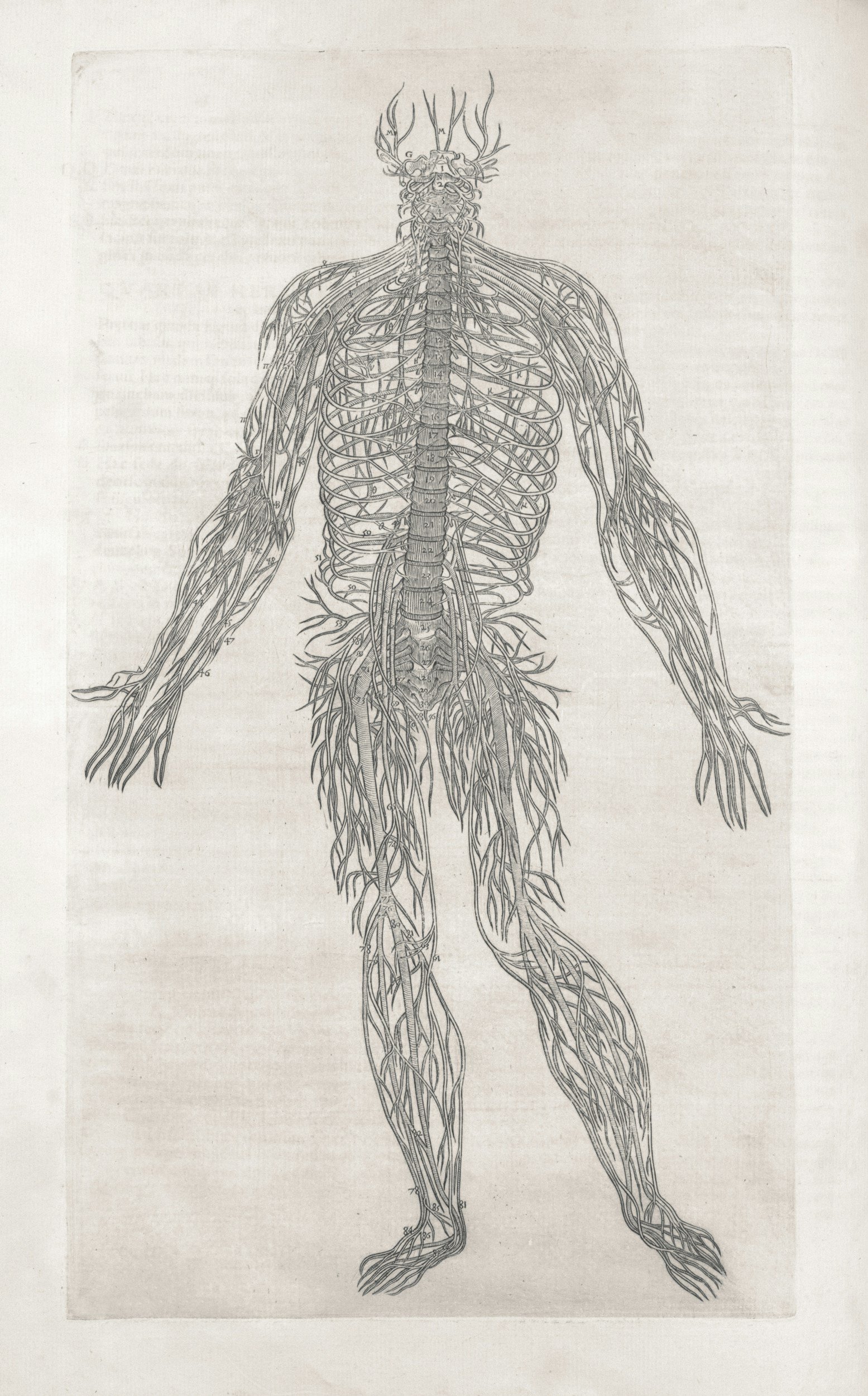
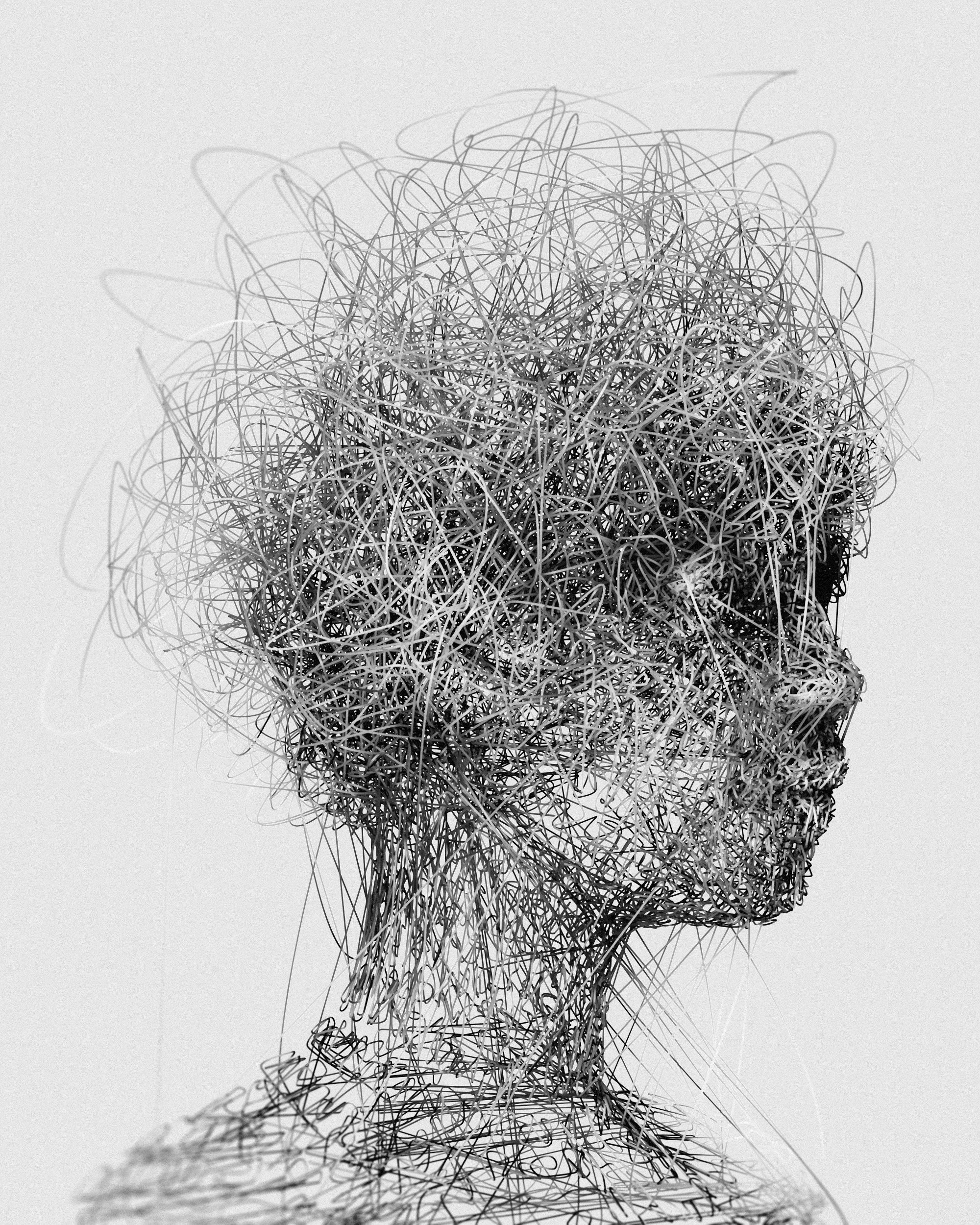
Sensory receptors detect a change in the environment and send that information via sensory nerves to the central nervous system for review.
-
INTERPETATION
The central nervous system assesses the incoming information to determine if it is safe or dangerous.
-
ACTION
If the nervous system detects potential danger, it activates a protective alarm which generates fear, stress, and pain.
The Root Cause Solution
The nervous system should filter out a lot of extraneous sensory information so the central nervous system only has to respond to the important stuff. In chronic pain conditions, the triage assistants get fired, so the central nervous system receives too much information. Because the central nervous system is overwhelmed, that information gets easily misinterpreted. The nervous system starts to act on bad data, and it activates the alarm unnecessarily. We call this central sensitization because the central nervous system becomes sensitive and reactive.
To heal the root causes of chronic pain, we have to give the nervous system better information and teach it how to review that information accurately.
Step 1: Change the Inputs
Clearer, more accurate sensory information decreases nervous system stress.
Step 2: Change the Story
Build the nervous system’s capacity to interpret the sensory information it is receiving from a place of presence rather than a place of protection.
Step 3: The Nervous System Stops Generating Pain
When the nervous system feels safe, it can experience sensation without fear, and it will not need to activate the protective pain alarm.
THE PROCESS

Standard orthopedic protocols focus on what hurts. I focus on why you hurt. Instead of trying to fix your body, I use a structured, evidence-based, neurosomatic framework to downregulate your hypersensitive nervous system, turn off the alarm, and stop your nervous system from generating pain.
Here is the strategic path we will take to retrain your nervous system:
01 — Assess the root causes of your symptoms
We’ll start with a comprehensive evaluation of your nervous system that includes:
A thorough history to map your nervous system and understand what is keeping you on high alert.
A sensory evaluation to assess the accuracy and sensitivity of your sensory system, which is how your nervous system communicates with the world.
A movement screen to determine your sensitivity to movement and to identify protective movement patterns.
A neuromuscular evaluation to assess the communication between your nerves and your muscles.
Assessment of your vagal tone and the responsiveness of your vagus nerve to treatment.
02 — Establish Safety
Your nervous system is designed to detect change. In order for your nervous system to be receptive to treatment, it has to feel safe. Using a combination of CranioSacral Therapy, embodied mindfulness practices, vagal toning, and somatic exercises, we will downregulate your nervous system so you can respond from a place of presence, not protection.
03 — Disrupt the Pain Loop
The nervous system communicates through the language of sensation. To interrupt pain pathways, we need to provide the nervous system with safe, positive, novel sensory input. Each person has different sensory strengths and challenges. Using the information we gained from your comprehensive assessment, we will develop a set of sensory exercises specific to your body to rewire your nervous system and change the information your nervous system is receiving.
Then we will use sensory discrimination exercises to improve the accuracy of your sensory perception, and somatic exercises to teach your nervous system how to experience sensation without fear so it can stop generating a protective pain response.
04 — Restore Resilience
Using graded motor imagery, proprioceptive input, and neurosomatic movement drills, we will gradually restore your tolerance for movement. This isn’t about bracing your core or learning rigid movement patterns. This is about restoring fluid, natural, un-guarded movement so you can confidently return to the activities that bring you joy.
THE DETAILS
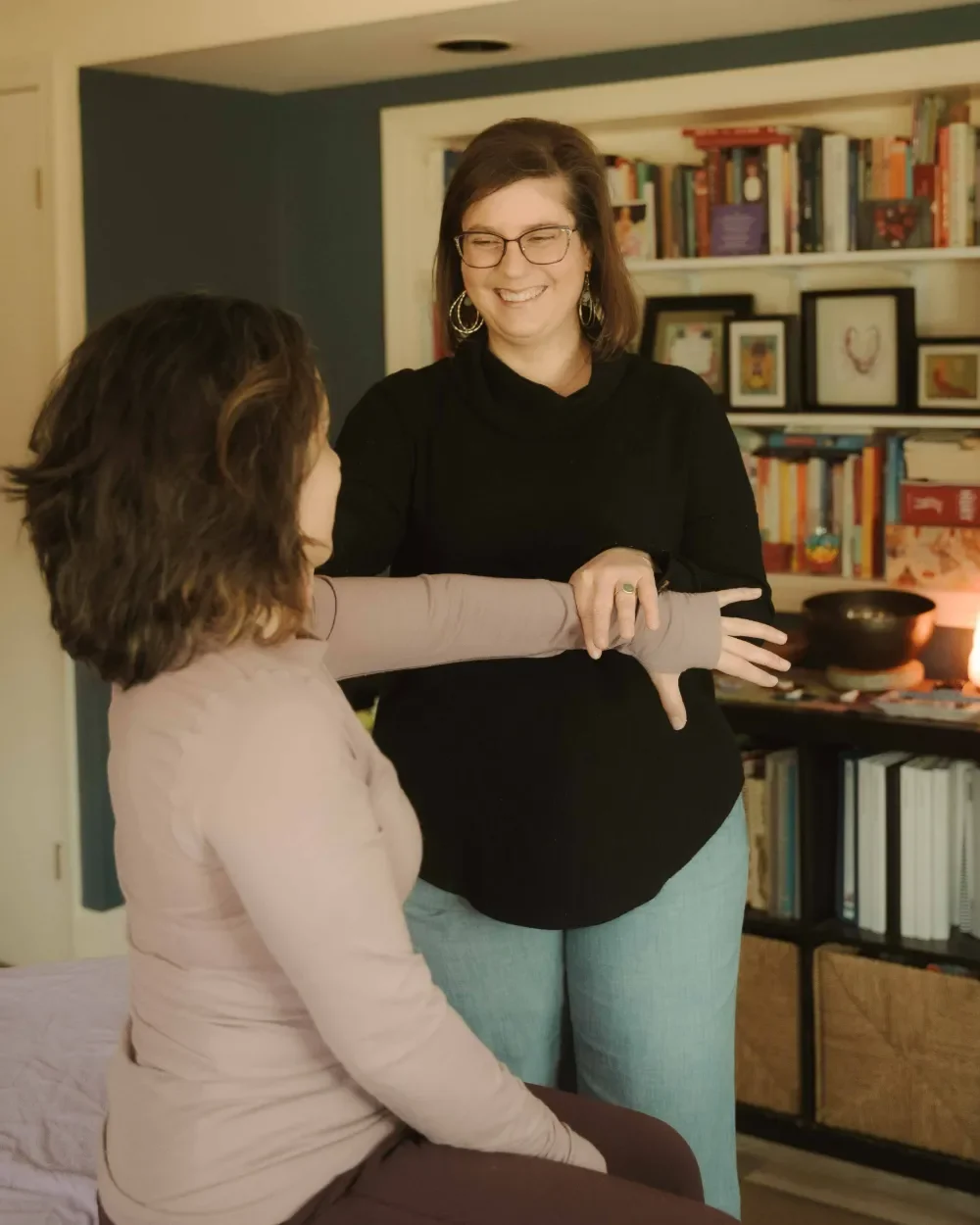
This is a comprehensive, highly personalized, 1-on-1 somatic physical therapy experience tailored specifically to your nervous system.
Interrupting pain pathways and building new neural patterns takes time and repetition. As such, I only work with people who are committed to this process for a minimum of 12 visits.
-
We begin with a comprehensive 90-minute evaluation followed by 11 60-minute nervous system re-education sessions. You can choose to meet every week for 3 months, or every other week for 6 months.
Between sessions, you are fully supported with a personalized home program designed to rewire your nervous system and restore your capacity to live your life without being ruled by the fear of reactivating pain.
-
Sessions are offered in person at my clinic in Shelburne, VT.
Parts of this work can be done virtually, but I can only offer physical therapy to people located in Vermont because PT licenses are state-specific.
If you are located in VT, but would prefer to meet virtually, please contact me. I’m happy to work with you online for some or all of your treatment if needed. -
Total Cost: $2,497
Payment Plans:Weekly appointments for 3 months: 3 monthly payments of $916.
Every other week appointments for 6 months: 6 monthly payments of $458.
-
I do not accept insurance because I do not believe your care should be dictated by what insurance companies authorize.
Not accepting insurance allows me to offer you care that is radically different from what you receive at most orthopedic PT clinics, so you get better results.
By choosing this model, pricing can also be more transparent. You don’t have to wait to see what your insurance plan approves, so you won’t get any surprise bills.
-
If you have private insurance with out-of-network physical therapy benefits, I can give you a superbill that you can submit to your insurance company for reimbursement. Please contact your insurance company directly to determine the level of reimbursement offered for out-of-network physical therapy in your insurance plan.
Please note, Medicare and Medicaid do not offer out-of-network benefits, and do not accept superbills. -
Yes, you may use an HSA or FSA card to pay for your treatment.
Cash, checks, and credit cards are also accepted.
Bonuses:
Access to a library of sensory and somatic practices to guide your home practice.
A 140+ page pain workbook full of pain neuroscience education, reflective exercises, and guidance on how to rewire your nervous system and safely return to activity.
Free enrollment in the corresponding seasonal qigong series to balance energy and support gentle movement.
Medicare: Please note that I am unable to treat patients who have Medicare because of federal regulations limiting Medicare recipients to Medicare credentialled providers. Please reach out if you would like a referral to a PT who accepts Medicare.
If you have Medicare and are struggling with pain, I encourage you to enroll in my Break the Pain Cycle course, or join one of my other services not covered by Medicare, such as yoga therapy, CranioSacral Therapy, or nervous system coaching.
Looking for something a little lighter?
If you are looking for a smaller investment and commitment, start with one of these options:
-
FREE 7-DAY NERVOUS SYSTEM RESET
Use these short practices and sensory care strategies to build a simple daily practice to support your nervous system.
-
CRANIOSACRAL THERAPY
Receive healing touch to rebalance your nervous system so you can get out of fight or flight, feel better, and start to heal.
-
BREAK THE PAIN CYCLE PROGRAM
Join the next cohort of this group program to learn about pain science and transform your relationship to pain.
Reviews
FAQs
-
Great question! We used to think that pain was a signal from an injured body part to the brain. Pain neuroscience tells us that all pain, even pain associated with an injury, is actually an output from the nervous system designed to protect us from harm.
If you break a bone, your nervous system produces pain so that you get the treatment you need to protect the bone and give it a chance to heal. The pain you feel in this instance is proportional to the injury, and it decreases over time as the injury heals. We call this type of pain nociceptive pain, and it typically responds well to orthopedic treatments.
But, if the injury heals and the pain doesn’t get better, if the pain is nervy (which typically involves numbness, tingling, burning, shooting, or electric shocks), if the pain spreads or migrates, or if the pain wasn’t initially caused by an acute injury, that typically means that the nervous system has become overprotective and sensitive.
Neuroplastic pain, or central sensitization, can be hard to diagnose because the symptoms are not correlated with structural problems seen on imaging, and they often involve systemic symptoms that are not isolated to one body part.
Your nervous system is likely hypervigilant and sensitive If you have pain that spreads, migrates, or changes, and you have other symptoms, such as:
chronic fatigue or depletion
sleep difficulties
brain fog
trouble concentrating or focusing
memory problems
digestive distress
frequent illnesses
mood fluctuations
hormone imbalances
mysterious symptoms with no clear explanation
Central sensitization also plays a role in complex diagnoses, such as fibromyalgia, Ehlers Danlos Syndrome, Complex Regional Pain Syndrome, migraine, whiplash, Chronic Fatigue Syndrome, Lyme Disease, Irritable Bowel Syndrome, and dysautonomia, including POTS, MCAS, and long COVID.
In short, if your symptoms are easy to provoke, hard to relieve, and haven’t responded to orthopedic treatment, your nervous system is likely working hard to protect you, and is asking for support.
Rewiring the nervous system could make a big difference in your symptoms and function. Please schedule a free consultation to share your story. I would be happy to help you determine if this approach could meet your needs and goals. -
I feel you. I’ve been burned by miracle cures and standard medical practices too many times, and I know how hard it can be to trust an unfamiliar method. I also know how hard it can be to hope.
I’m not offering a miracle cure, but I am offering you an opportunity to change the way your nervous system relates to pain. Pain happens in life, and it isn’t realistic to believe that you won’t ever have pain anymore. But, it is possible to teach your nervous system to be less reactive so that you don’t sweat the small stuff anymore, and when pain does flare, you don’t get knocked over by fear.
If you are at all curious, I would love to speak with you 1:1. Healing happens in relationship, and that starts with building trust. Let’s schedule time to talk so you can get all your questions answered, feel out whether we have a good connection, and make a decision your nervous system supports. What matters is that you get the support you need. If my approach isn’t right for you, I’ll happily refer you to other providers. If nothing else, you’ll meet someone who believes you and is in your corner advocating for you to get the care you need.
-
This approach might be a good fit for you if:
Your imaging doesn’t explain your symptoms.
You have been to other providers, but it hasn’t solved your problem.
You want to address the root causes, not just mask symptoms.
You want to build a relationship with a provider who believes you and will never make you feel like your pain is “all in your head.”
You want to gain control over your symptoms and understand how to solve your problem.
You recognize that changing outcomes requires your active participation. You want to be a partner in your healing.
This is not a good fit if:
You are looking for a quick fix.
You aren’t in a place in your life where you are willing/able to make some changes.
You are looking for passive treatments and don’t want to be an active partner in your healthcare.
If you aren't in a place in your life where you are ready and able to make changes, but you know you need to start somewhere, consider booking a CranioSacral session instead of a PT evaluation.
CranioSacral Therapy provides amazing benefits to the nervous system, and is a great place to start for people who need to receive healing. It helps the body remember it’s innate power to heal. It can also help the nervous system calm down enough to be able to benefit from active treatments.
-
The way conventional medicine talks about pain is scary. We use terms like degenerative joint disease and herniated discs, which makes it sound like there is something seriously wrong with our bodies. Now, some people with those findings do need surgery and/or medication, and thank goodness we have that technology.
But the research is very clear: You can have structural problems, like bulging discs, cartilage tears, and osteoarthritis, and not have any pain or functional limitations. It is possible to retrain your nervous system to stop generating pain, even if the structural problem doesn’t go away. That’s how powerful neuroplasticity is.
-
I do. The nervous system plays a role in all types of pain, including pain associated with an injury. Incorporating pain neuroscience and neurosomatic drills into your recovery plan can make your exercises more effective, speed up your healing time, and reduce the chances that you will develop a protective nervous system response to your injury.
I highly recommend treating the nervous system alongside the musculoskeletal system for anyone with an acute injury, especially people who have sensitive systems (e.g. people who are neurodivergent, have connective tissue disorders, a history of chronic pain patterns, and/or a history of trauma).
-
I’m a licensed physical therapist in the state of Vermont, which means I can only provide physical therapy services to people located in Vermont.
If you live in another state there are four ways we can work together:
If you are curious about working together 1:1, please schedule a free consultation so we can design a customized plan to meet your goals and needs.